


The American University of Florence invites scholars, researchers & academics to submit proposals to speak at next Fall's academic conference
Albert Einstein and Florence
The Palazzi Community Center Presents Valeria Rondoni
written by Rachel Bose, Maren DeMargel, Natelli Herrera & Alana Turoff
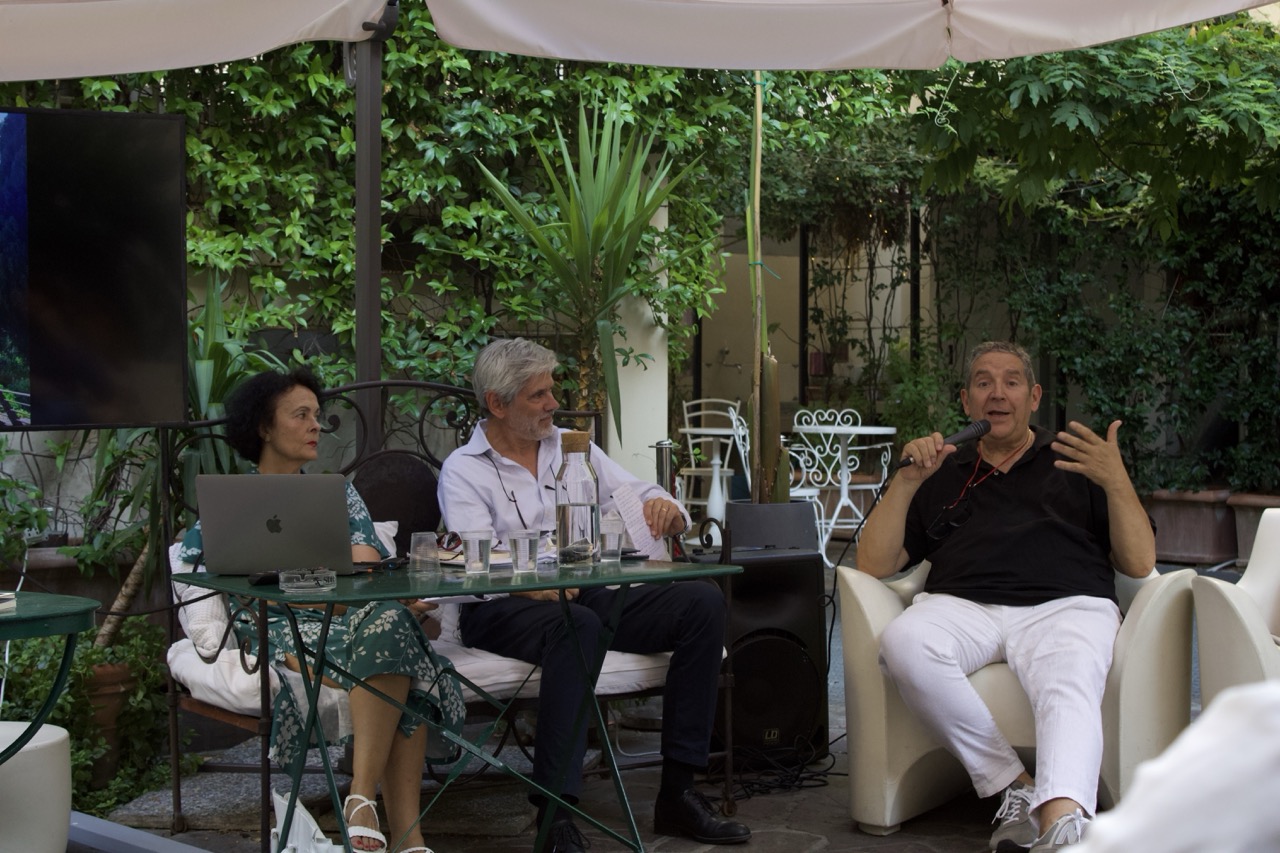
The book presentation of Albert Einstein and Florence by Valeria Rondoni took place at the Palazzi Community Center in Florence on July 28, 2026, moderated by Stefano Gidari. The presentation focused on another chapter in the life of one of the most famous scientists of all time, who is known for his work on the advancement of physics, particularly to the theory of relativity. In particular, the presentation talks about how Einstein was connected personally and intellectually with the city of Florence and Fiesole, which is located near Florence and where he used to spend his time in Tuscany. This article provides an overview of the topics discussed during the presentation.
The presentation explored Albert Einstein's relationship with Florence, offering a perspective on the scientist that extended beyond his groundbreaking work in physics. Author Valeria Rondoni explained that Einstein's visits to Florence in 1921 were deeply impactful for him, as he found inspiration in the city's architecture, landscapes, museums and artistic atmosphere. Throughout the discussion, she emphasized that Einstein's creativity was shaped not only by science but also by music, philosophy and spirituality.
One of the central themes of the presentation was the role of imagination in Einstein's scientific thinking. Rondoni explained that Einstein relied on mental images and creative association before translating his ideas into mathematical formulas. Music was presented as another essential part of his life, particularly his love of playing the violin, which helped stimulate his thinking. The audience also learned about Einstein's close relationship with his sister Maja, the story of her piano that remains in Florence today, and his family's connections to Italian psychiatrist Roberto Assagioli.
Several historical anecdotes, including the tragic fate of Einstein's relatives during the Second World War, added emotional depth to the presentation. Audience members listened attentively throughout the event, particularly during discussions of Einstein's philosophy and creativity. The presentation concluded with the message that imagination, curiosity and creative expression are essential qualities that exist within everyone and can inspire both scientific discovery and everyday life.
After the presentation, we had the opportunity to interview authors about their research and book. We asked what inspired them to explore Albert Einstein's connection to Florence, what surprised them most during her research, how Florence influenced Einstein, and what they hoped readers would take away from the book.
Rondoni explained that her inspiration came from conversations with a physicist, which sparked her curiosity about the connections between physics, music, philosophy, and spirituality. She realized that physics is not only about scientific formulas but also about understanding deeper questions about the universe and human life. One of the most surprising discoveries made was finding documents connecting Einstein's family to Italian psychiatrist Roberto Assagioli. These records described some of the earliest uses of visualization techniques to help a young family member overcome severe panic attacks before examinations, an approach that was considered groundbreaking at the time.
When discussing Florence's influence on Einstein, the authors emphasized the city's beauty. They explained that its hills, historic architecture, museums, and landscapes deeply inspired him, even influencing his appreciation of Italian culture and cuisine. They noted that Einstein himself described feeling "almost drunk" simply imagining Florence.
One insight that stood out during the interview was the emphasis on Einstein's humility and willingness to collaborate with others. They explained that although he relied heavily on imagination, he also recognized the value of seeking help from experts, particularly in mathematics and logic. The authors concluded by encouraging students to embrace creativity, reminding us that innovation often develops through curiosity, imagination, and collaboration rather than effort alone.
Attending this presentation provided a meaningful opportunity to see Albert Einstein from a different perspective, focusing not only on his scientific achievements but also on the experiences and influences that shaped his thinking. Learning about his connection to Florence demonstrated how culture, art, music and personal relationships can inspire creativity and innovation in unexpected ways. The event encouraged attendees to think beyond traditional views of intelligence and recognize the value of imagination, curiosity and collaboration in both academic and personal growth. Overall, the presentation left us with a greater appreciation for the idea that creativity and a willingness to explore new perspectives are just as important as knowledge itself.
Latest news
La Mia Toscana 2026
Get a glimpse at AUF's 2026 edition of TuttoToscana study away program: La Mia Toscana, Tuscan Culinary Heritage Comes to New York City
The Artist Giancarlo Mariani
The final Corridoio Fiorentino event of the summer features artwork from Giancarlo Mariani, on display until September 17