


Attendees, both in-person and online, get a glimpse of AUF’s dynamic, culturally immersive environment at Open Day on November 13 & 14, 2026
This semester at “Made in Florence”
A Spring Semester Recap
written by Laurel Swanz
One of the things I looked forward to most coming to Florence was the opportunity to learn about the incredible artists here through journalism.
My journalism SPEL internship at the American University of Florence (AUF) allowed me to do just that.
This semester, I attended every “Made in Florence” event at the Palazzi Community Center (PCC) in the Fedora pastry shop and bistro's outdoor garden and wrote an article about each of them.
“Made in Florence” is a cultural integration series that allows students and locals alike to hear from artisans and craftsmen about the work they do in Florence.
PCC director Valentina Monaco said the programming gives attendees a glimpse into the minds of the talented individuals who make the Florentine community so special.
Monaco said she finds the speakers featured in “Made in Florence,” learning about them from friends or through their reputation in the area. This semester, three “Made in Florence” events occurred on Monday evenings – two in March and one in April.
The first I attended featured sketch artist Matilde Ricci. What began as casual sketches left behind at the Fedora café evolved into a public art presentation for Ricci.
After staff shared her intricate pen drawings with Monaco, Ricci was invited to showcase her work as part of the cultural series.
During the free event, Ricci presented enlarged prints of her Florence-inspired sketches, emphasizing her focus on capturing the permanence of places rather than people.
“When you're alone and there are lots of people around, chaos is something that surrounds you, Ricci said. “But at the same time, there are spaces that are almost still, which are things that remain there and over time remain the same in the end. Instead, people come and go.”
From this event, I was introduced to the complications of interviewing someone who does not speak English, and of covering an event that is not in English. Ricci’s friend helped translate for our one-on-one interview and I used a transcription tool to later translate the event itself.
It was not as easy as the event coverage I am used to, but it prepared me for the rest of my PCC coverage. At the next one I attended, owner of Casa della Cornice frame shop, Marco Pelacani, and gilding specialist, Antonino Valenti, spoke about their craft and gave a frame gilding presentation.
This event was more interactive than the first, allowing attendees to practice gilding the frame themselves, which was very fun to watch and report on. Monaco told me this is why she wanted to feature Casa della Cornice at “Made in Florence,” to give community members a chance to become immersed in the ancient Florentine craft.
“He decided to talk about this specific technique because it’s very unique, and especially it's a Florentine technique,” Monaco said. “They are so well connected with the world of art, and so there are so many connections with the university and what they do. That's really cool.”
While he is familiar with the crafting process, Pelacani said his favorite part of running the framing business is selling them. He said he loves helping artists find the perfect frame for them, adding the “final touch” to Italian masterpieces.
“So when you come in my shop with a painting already finished and you can hang it on the wall, my bet is to find a way to reach your work,” Pelacani said. “And so it's a collaboration to do something beautiful, and this is the most beautiful part of my job — to finish a job.”
I really liked that he added this. It gave me a new perspective on the significance of framing works of art and an appreciation for the intentionality of the frames in a place as known for art as Florence. Now, when I see a masterpiece, I notice the frame just as much as the canvas it holds.
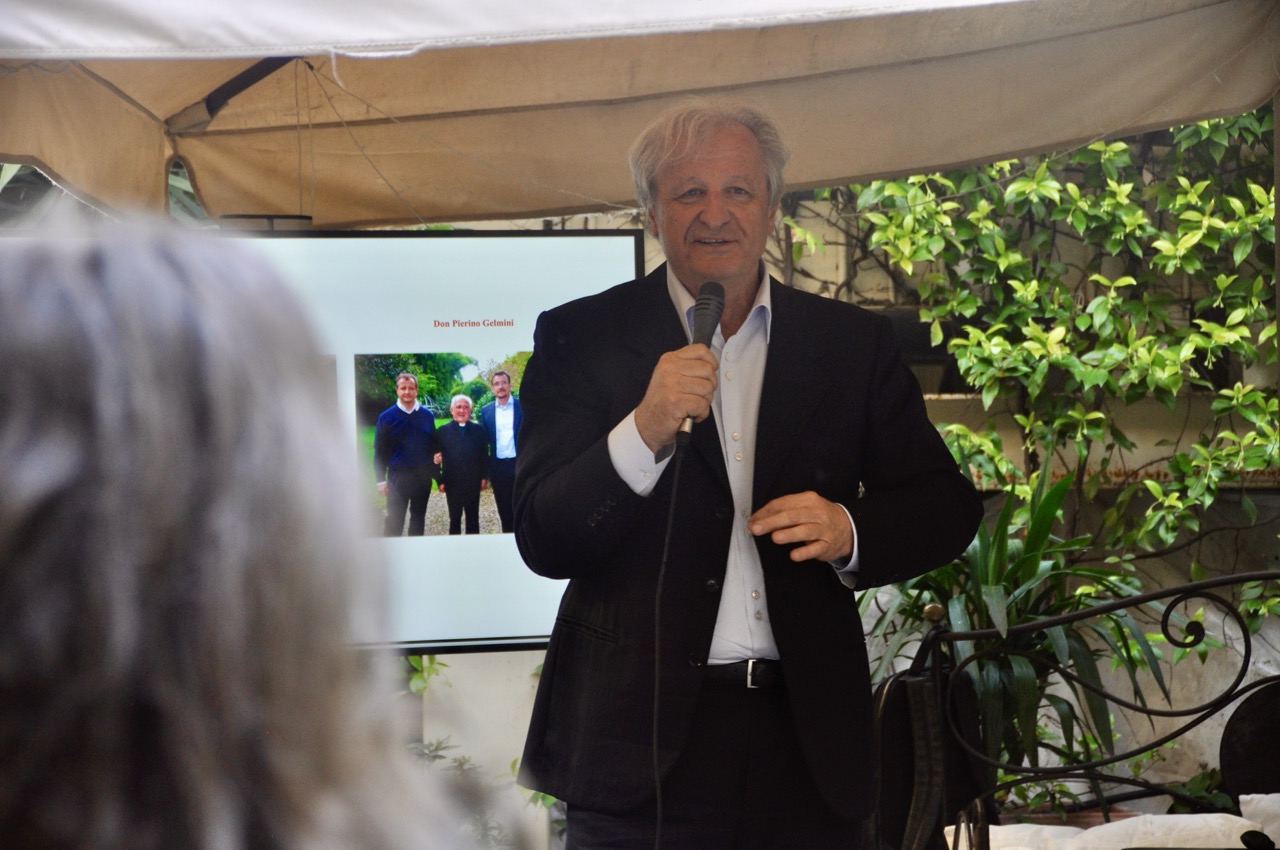
Finally, I got to meet Andrea Mati at the last “Made in Florence” and hear about his passion for creating green spaces that help improve people’s mental health.
Having been raised by two therapists, I was particularly fond of his mission. I loved getting to hear about his passion for helping other people and learning how green spaces like parks and gardens can have a real impact on mental health.
“Get involved, get indignant, cry. Don't just stand there and watch the world go by,” Mati told an engaged crowd as he showed images of the spaces he creates. “Throw yourself into life, work, be aware of your neighbor. If they're sick, make an effort. If you can, give them a hand.”
By attending these events for my SPEL internship, I not only got to exercise my love for journalism in another country, but I got to be immersed in and inspired by the culture of Florence.
Latest news
Attend AUF's 15th Annual Conference This December
The American University of Florence invites scholars, researchers & academics to submit proposals to speak at next Fall's academic conference
DEADLINE EXTENSION: Symbiosis In Health Call For Papers
The American University of Florence and Fairfield University seek speakers for new health and nutrition conference coming this winter